


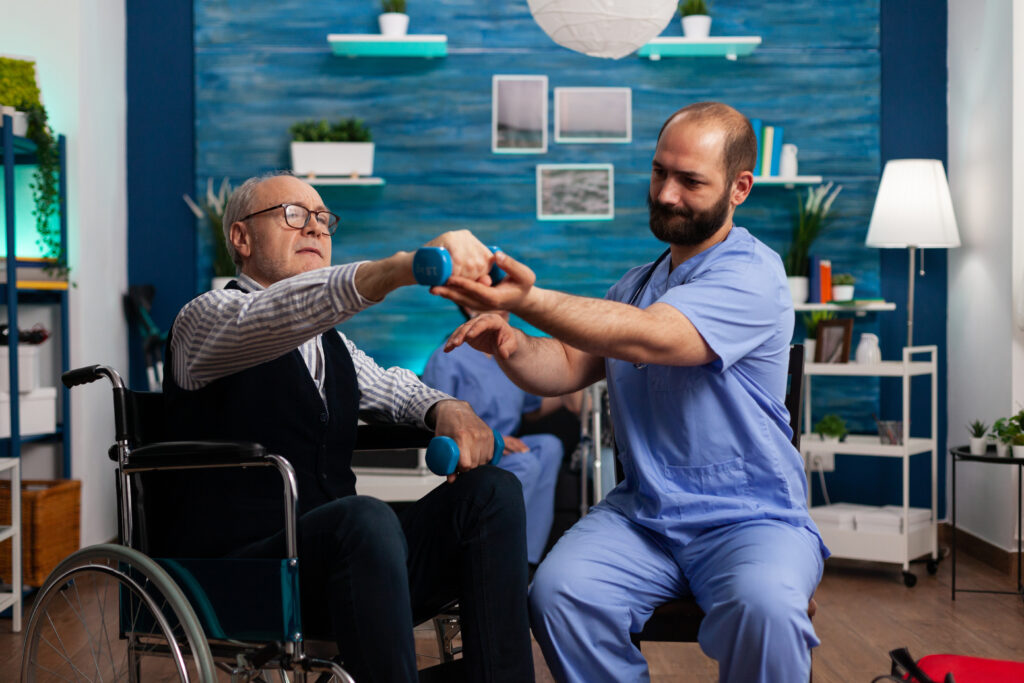
Paralysis is a life altering condition that affects movement, independence, and overall quality of life. Whether caused by stroke, spinal cord injury, or neurological disorders, paralysis can make even basic daily activities challenging. However, recovery does not end with initial medical treatment. With the right rehabilitation approach, many patients can regain strength, improve mobility, and rebuild confidence.
This is where Paralysis recovery physiotherapy services become essential. Structured physiotherapy plays a critical role in helping patients relearn movements, prevent complications, and achieve maximum possible independence.
At Raksha Healthcare, specialized rehabilitation programs are designed to support paralysis patients through expert physiotherapy, personalized care plans, and continuous recovery guidance.
Understanding Paralysis
Paralysis refers to the loss of muscle movement in part or all of the body due to disruption in communication between the brain and muscles.
It can vary in severity:
- Partial paralysis where some movement is possible
• Complete paralysis with no voluntary movement
• Temporary paralysis with chances of recovery
• Permanent paralysis depending on nerve damage
Paralysis not only affects movement but can also impact balance, coordination, and daily functioning.
Common Causes of Paralysis
Paralysis can occur due to various medical conditions affecting the nervous system.
Some common causes include:
Stroke
A leading cause that affects brain function and movement control
Spinal Cord Injury
Damage to the spinal cord interrupts nerve signals
Neurological Disorders
Conditions affecting nerve communication and muscle control
Traumatic Injuries
Accidents or falls causing nerve damage
Understanding the cause helps in planning effective rehabilitation.
Importance of Physiotherapy in Paralysis Recovery
Physiotherapy is one of the most important components of paralysis rehabilitation. When movement is limited, muscles tend to weaken, joints become stiff, and overall mobility decreases.
This is why Paralysis recovery physiotherapy services focus on restoring movement and preventing further complications.
Physiotherapy helps:
- Maintain muscle activity and prevent weakness
• Improve flexibility and reduce stiffness
• Relearn basic movements like sitting and walking
• Enhance balance and coordination
• Improve blood circulation and overall function
With consistent therapy, even small improvements can significantly enhance quality of life.
How Physiotherapy Supports Paralysis Recovery
Recovery from paralysis is gradual and requires a structured and patient centered approach.
Physiotherapy works through:
Guided Movement Training
Patients are assisted in performing controlled movements to retrain muscles and improve coordination.
Strength Building Exercises
Exercises focus on strengthening weak muscles to support movement and stability.
Range of Motion Exercises
These help maintain joint flexibility and prevent stiffness.
Balance and Coordination Training
Improves stability and reduces the risk of falls.
Functional Training
Patients practice daily activities such as sitting, standing, and walking safely.
This systematic approach ensures steady and safe progress in recovery.
Role of Physiotherapists in Paralysis Rehabilitation
Physiotherapists play a crucial role in guiding recovery and ensuring safe rehabilitation.
Key responsibilities include:
- Assessing the patient’s condition and level of paralysis
• Designing personalized treatment plans
• Guiding exercises and movement training
• Monitoring progress and modifying therapy
• Preventing complications such as stiffness and bed sores
• Providing caregiver training for home support
• Offering motivation and emotional encouragement
Their expertise ensures that recovery is structured, safe, and effective.
Benefits of Paralysis Recovery Physiotherapy Services
Physiotherapy provides multiple physical and emotional benefits for paralysis patients.
- Improved movement and mobility
• Increased muscle strength
• Reduced stiffness and discomfort
• Better balance and coordination
• Prevention of complications
• Increased independence in daily life
• Improved confidence and mental well being
These benefits help patients regain control over their lives gradually.
Duration of Paralysis Recovery
Recovery timelines vary from patient to patient.
Factors affecting recovery include:
- Severity of paralysis
• Underlying cause of the condition
• Age and overall health
• Consistency of physiotherapy sessions
Some patients may see improvements within weeks, while others may require long term rehabilitation. Recovery usually happens in small, progressive steps.
Choosing the Right Physiotherapy Care
Selecting the right rehabilitation centre is crucial for effective recovery.
When choosing Paralysis recovery physiotherapy services, it is important to consider:
- Experience and expertise of physiotherapists
• Availability of personalized treatment plans
• Access to advanced rehabilitation techniques
• Regular monitoring and progress tracking
• Safe and supportive environment
These factors ensure better recovery outcomes.
Paralysis Recovery Physiotherapy Services at Raksha Healthcare
Raksha Healthcare provides comprehensive paralysis rehabilitation programs designed to support patients at every stage of recovery.
Key strengths include:
- Experienced physiotherapy and rehabilitation team
• Personalized therapy programs based on patient needs
• Structured and progressive rehabilitation approach
• Continuous monitoring and evaluation
• Supportive environment focused on patient comfort
The focus is on helping patients regain mobility, improve independence, and enhance overall quality of life.
Supporting Recovery at Home
Recovery continues beyond physiotherapy sessions. Proper care at home is equally important.
Patients and caregivers should:
- Follow prescribed exercises consistently
• Maintain a safe environment to prevent falls
• Encourage regular movement within limits
• Provide emotional support and motivation
• Attend follow up sessions regularly
Combining professional care with home support improves recovery outcomes.
Conclusion
Paralysis can be challenging, but with the right rehabilitation approach, meaningful recovery is possible. Physiotherapy plays a central role in restoring movement, improving strength, and enhancing independence. Understanding the importance of Paralysis recovery physiotherapy services helps patients and families take the right steps toward recovery.
At Raksha Healthcare, structured rehabilitation programs provide expert care, personalized therapy, and continuous support, helping patients move toward a more independent and confident life.
Frequently Asked Questions (FAQ)
Does Raksha Healthcare provide physiotherapy for paralysis recovery?
Yes, Raksha Healthcare offers structured physiotherapy programs for paralysis recovery.
What therapies are included at Raksha Healthcare?
Programs include movement training, strengthening exercises, balance therapy, and functional rehabilitation.
How does Raksha Healthcare support paralysis patients?
Through personalized therapy plans, continuous monitoring, and expert physiotherapy care.
How long does paralysis recovery take at Raksha Healthcare?
Recovery time varies based on the patient’s condition, but consistent therapy improves outcomes.
Why choose Raksha Healthcare for paralysis recovery physiotherapy services?
Raksha Healthcare provides expert care, personalized programs, and a structured approach to recovery.

Contact Details
- H.no:#6-3-1246,Raj Bhavan Rd, Sangeet Nagar, Somajiguda, Hyderabad, Telangana 500082
- rakshahc.customercare@gmail.com
- 24/7
- +91 994 995 9994
Make Appointment
Call Us
+91 9949959994
Raksha Healthcare Centre
Copyright © 2024 All rights reserved.